So how does the humanities sequence at Geneseo emphasize those values? When we took this question to Professor McCorkle, who does not currently teach the humanities, we asked her how she thought music could fulfill this purpose in a humanities course. For starters, she noted that music is a way to engage the college with the surrounding community, and stated her disappointment with cuts to Geneseo’s music program for this reason. The “Finger Lakes Opera was a great way to engage students and the community,” professor McCorkle explained. We should have greater access to get to concerts—not everyone has a car necessarily. And there should be more community involvement—when the university engages with the community, we can combine forces to provide different kinds of arts.” Ultimately, Professor McCorkle put the importance of music in a liberal arts education this way: I don’t want to say music is a means of expression—because it’s not for everyone, but I think by attending to music and all the components that go into music, the performance of music, the consumption of music, the creation of music, recording music, live settings, different situations and places—coming at that from a sort of total understanding can help us not only better appreciate arts and the role of the arts in a person’s life, but also help us understand other people in a way that reading a philosophical or political text can’t quite get across.” Central to Professor McCorkle’s assertion is the belief that being an informed and engaged citizen is more complicated than being able to offer your set of skills to the economy; rather, it is a process of nurturing, a process of understanding an empathizing with others.
Katherine Zaslavsky had a similar opinion, and it was very interesting—and very telling of the success of Geneseo’s liberal arts initiative—that she mirrored the sentiments of Professor McCorkle, but where Professor McCorkle’s statement was clearly in the language of an arts scholar, the language of Katherine’s statement strongly reflected her background in sociology. It’s a credit to the interdepartmental liberal arts strength of Geneseo that these people made essentially the same statement about the importance of empathy while being exceedingly proficient in the language of their respective disciplines. Katherine told us that a “pretty big issue of contention in sociology” is “the issue of viewpoint and the fact that if you only get information from what are seen as legitimate viewpoints you’re actually cutting out a lot of things that are seen as illegitimate, not because they’re unreliable or because they’re not verifiable; there seen as illegitimate because they’re not seen as tradition sources.” While Katherine’s discussion may be more relevant to our post on canonical texts in the humanities, she raises a great point: a lot of our readings, in all of our classes, come from familiar viewpoints, and thus, we’re missing out on a wide range of human experience from other viewpoints. Geneseo as an institution has made steps to tackling this issue of understanding and empathy by adding a “multicultural” general education requirement, also commonly known as “other world civilizations.” This gen-ed requirement is both unique to Geneseo in that it is not mandated by the SUNY system; that is, it is a part of Geneseo’s liberal arts breadth courses—the courses that are designed to achieve Geneseo’s liberal arts mission of creating informed citizens. Additionally, the menu system–the system by which professors choose from a selection of texts which readings they will teach in their humanities course–allows professors to exchange up to two canonical texts for more global texts. While this may seem like a small change, its important to remember that the humanities is a course in “western civilization,” and the move towards utilizing non-western texts in order to understand the West is a move towards including a diversity of voices and ideas in the intellectual history that Geneseo considers so vital to our development as informed citizens.
Interestingly, Geneseo has come under fire from the SUNY administration for these courses–the multicultural requirement, but to a greater extent, the Humanities sequence. Professor Asher informed us that the SUNY administration does not like these courses because they cause difficulties for transfer students, these classes mean that a SUNY education is not as transferable as the SUNY administration would like. Ideally, any course you take at a SUNY institution—both four year colleges and two-year community colleges—can be transferred for full credit to another SUNY institution. The humanities sequence makes this impossible; while many schools offer courses in western civilization, Geneseo will not accept any course other than our own humanities courses—that is how central these courses are to the Geneseo liberal arts agenda. Another goal of SUNY is that students can knock out all of their gen-ed requirements at a two-year institution so that they can get into their major when they transfer to a four-year college; while there are many courses at Geneseo that satisfy the multicultural requirement at Geneseo, it is a requirement specific to Geneseo, and accordingly, many students do not get a chance to take this course at a community college. Ultimately, these administrative conflicts return us to Professor McCorkle’s interpretation of the importance and uniqueness of liberal arts universities like Geneseo: with current attacks on intellectualism and especially intellectualism in the arts, as well “the growing push toward stem and [to]have graduates be employed post-graduation […] the idea of these thoughtful world citizens be[ing] nurtured in their four or five years here is something that’s really being left at the wayside.”
]]>
Professor Justin Behrend had similar comments about understanding the experiences of others, and discussed its importance in the liberal arts—a subject that we’ve taken up more thoroughly in a different post that deals with empathy in the liberal arts. Additionally, Professor Behrend agreed with Katherine’s sentiment regarding the importance of discussing current events in the humanities. According to Professor Behrend, “the Humanities only really works if you’re trying to connect it to the present,” and one way he tries to make these connections is by reflecting on the assumptions we assign different groups of people, “particularly to women.” How have these assumptions changed? How have they not changed? And what are the implications of these assumptions? In this way, he creates an arc from the intellectual histories that he teaches to the way we think about different people in contemporary situations. Professor Kirk made similar comments, arguing that ideally, the humanities functions as a “history of ideas.” According to Professor Kirk, the humanities should expose students to all kinds of ideas; these ideas can act as a “sort of launch pad to think about what sort of ideas have not emerged yet and how they can have a role” in contemporary issues. Professor Kirk—with her background in development and democratization—utilizes discourses of colonialism as a foci for making connections to current events. In our interview, Professor Kirk stated that because a liberal arts education is built to prepare students to be engaged and informed citizens, “humanities can only make sense if you can apply it to the modern day;” in order to understand western thought, “you have to understand what the nonwest or nonwests are. The west became as great as it did because it drew from the nonwest—often in not so kind ways.” Accordingly, in her formulation of the humanities course, she attempts to draw connections between current events and histories of colonialism. Professor Asher approaches the humanities a little differently; while recognizing the validity of looking at humanities texts through current events and emphasizing the value of this pedagogical approach, he admitted that he doesn’t approach teaching the humanities this way. “A lot of my best friends” will make connections to contemporary politics, Asher told us, “I personally try not to do that, for a number of reasons. I’m hoping they [students] make some connections, but I try not to get currently political in that regard.” Instead, Professor Asher takes a more literary approach and attempts to create an intellectual arc from author to author, genre to genre, and text to text.
]]>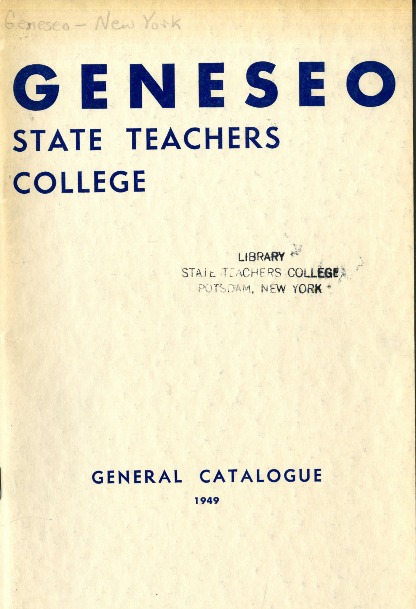
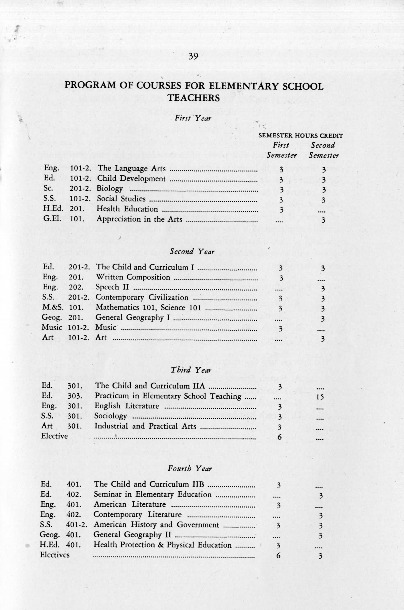
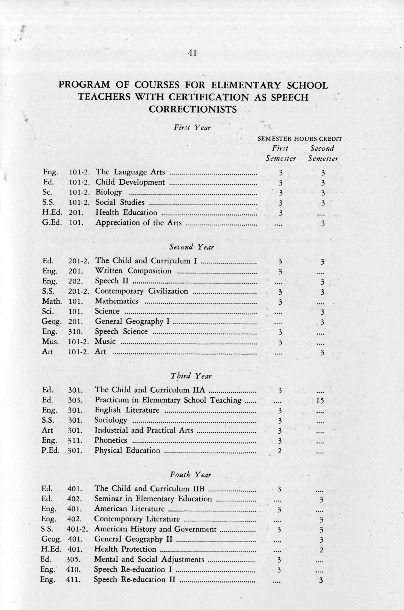
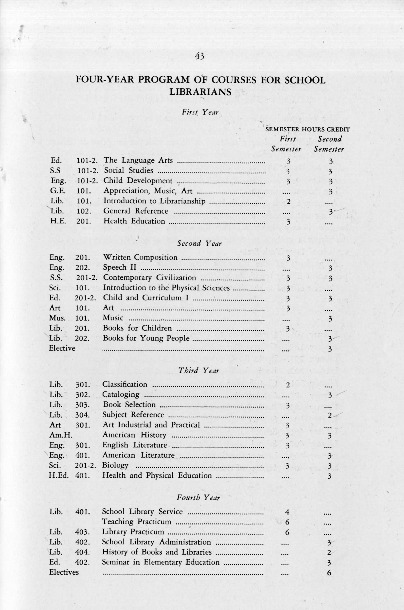
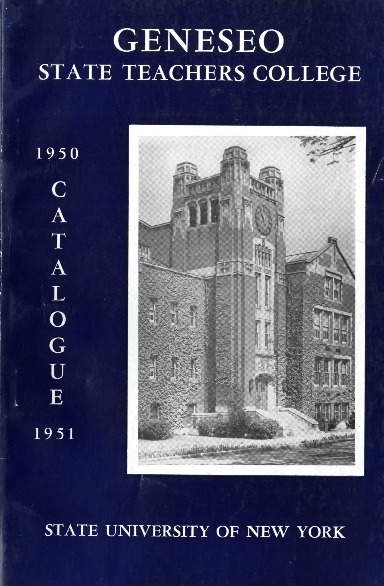
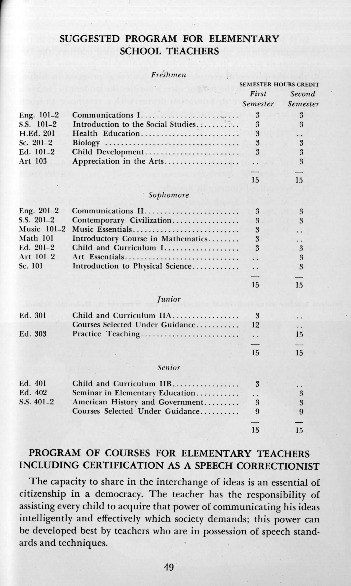
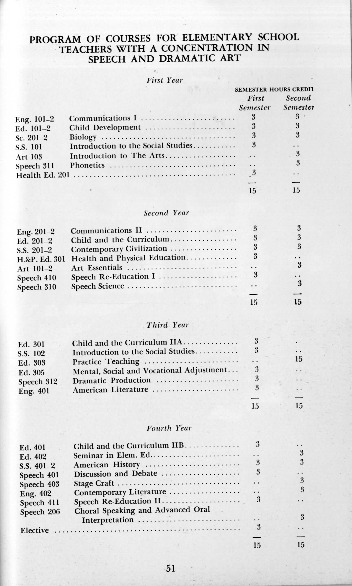
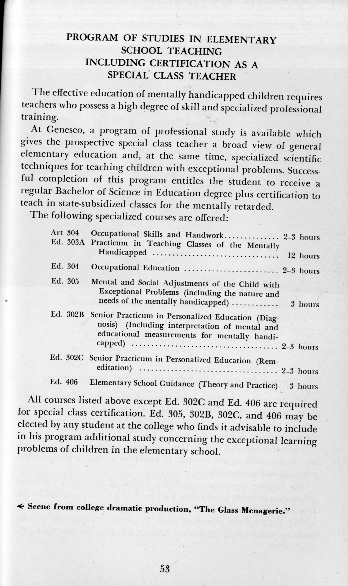
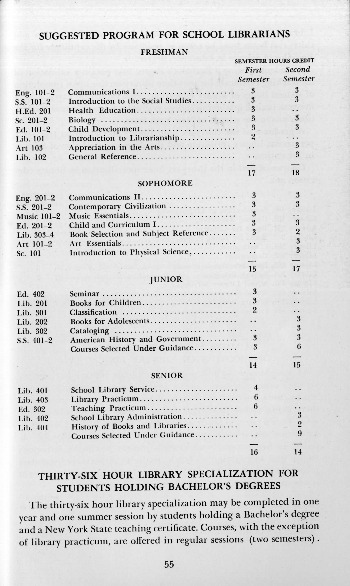
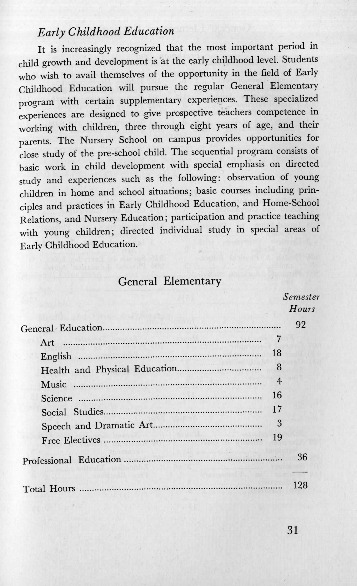
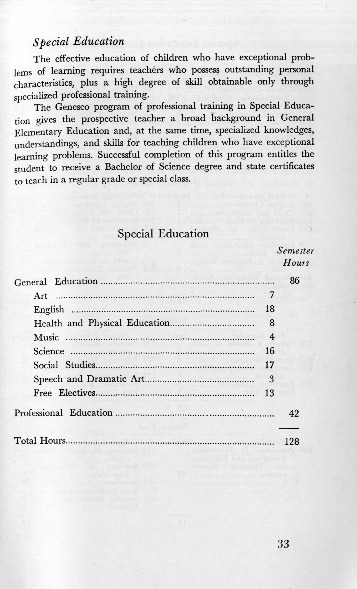
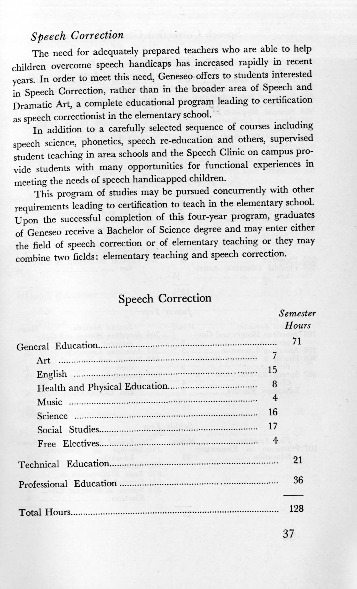
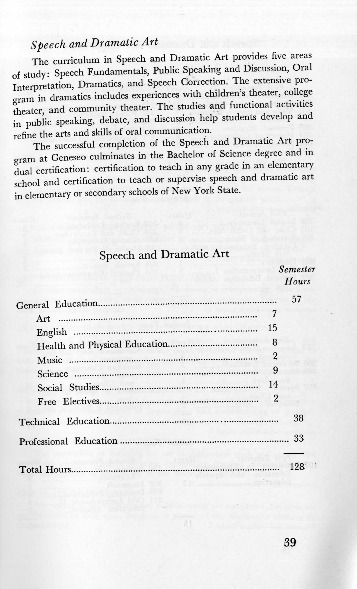
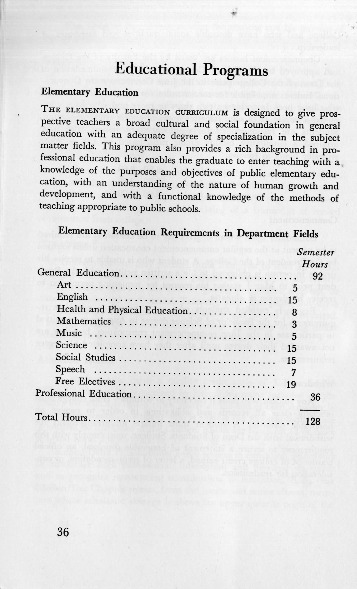
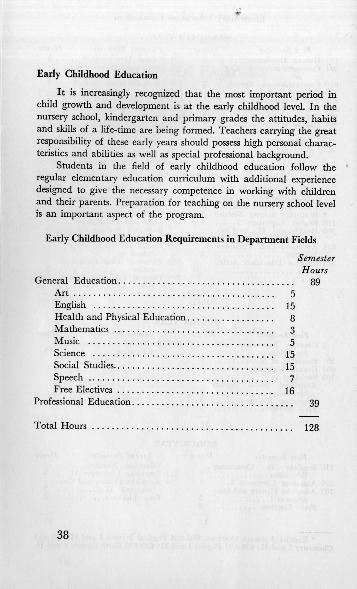
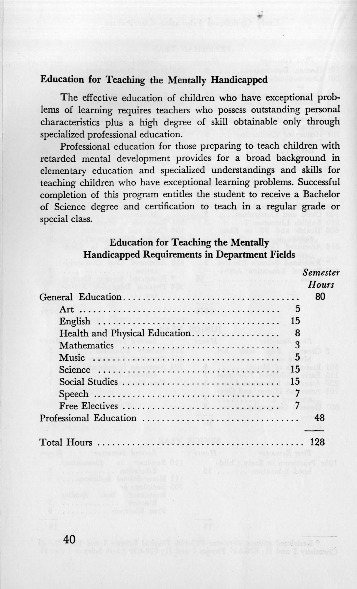
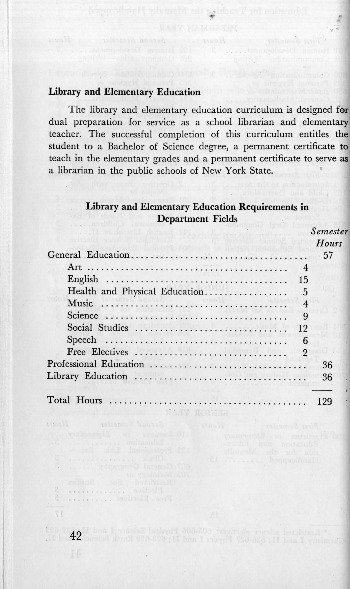
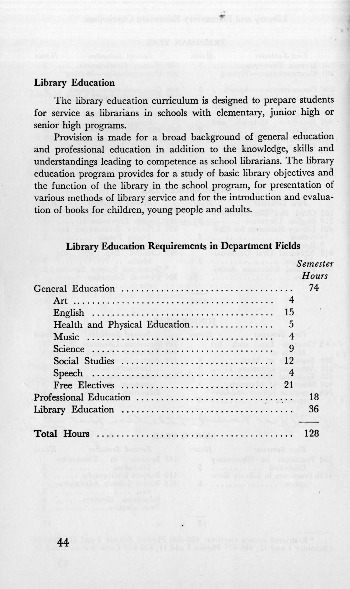
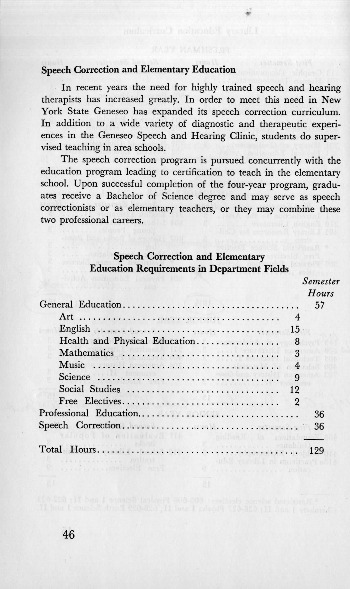
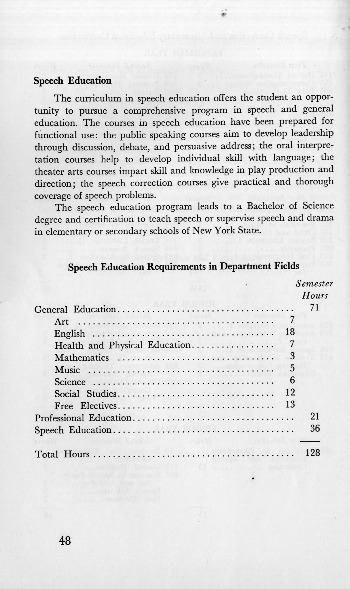
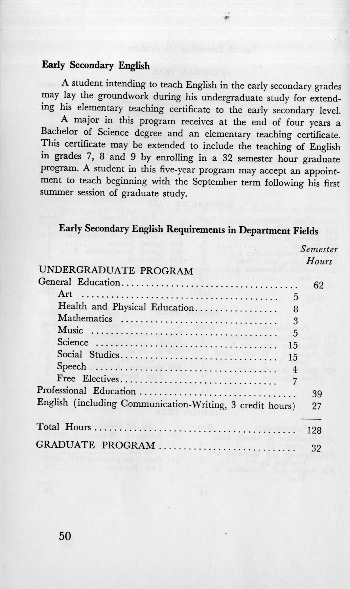
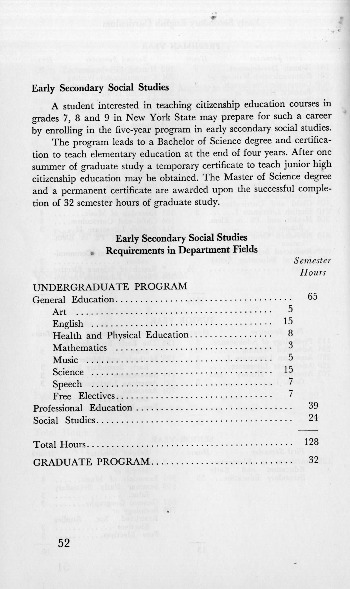
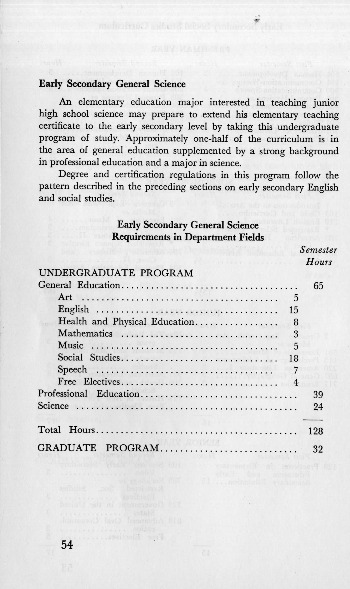
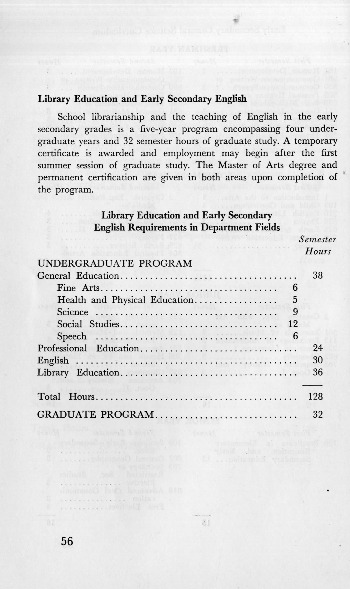
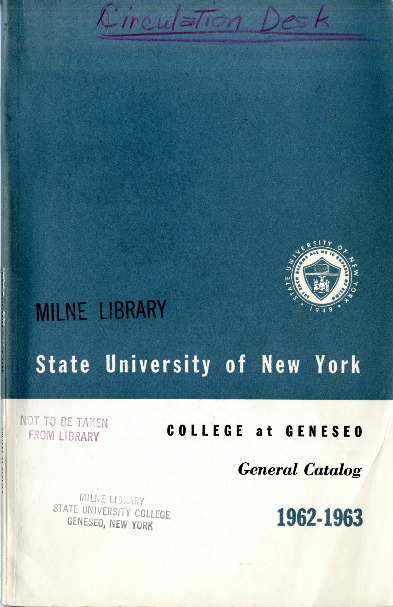
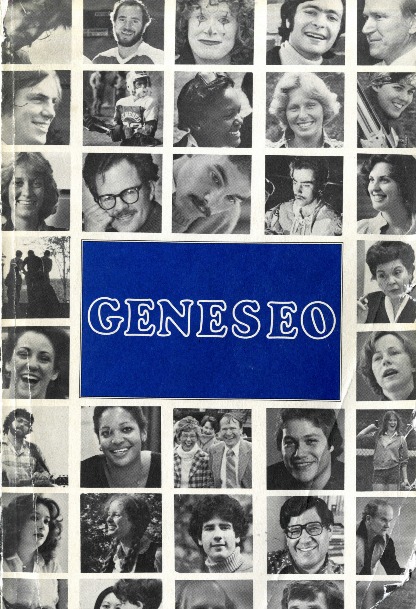
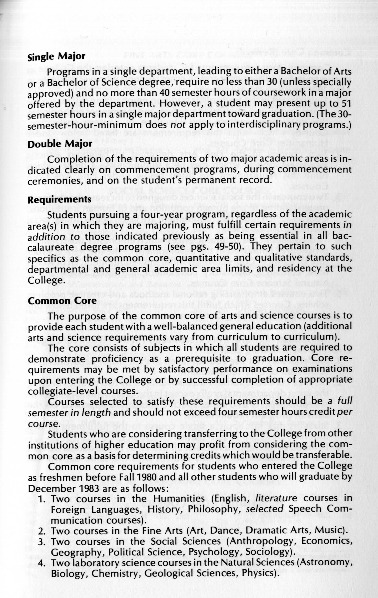
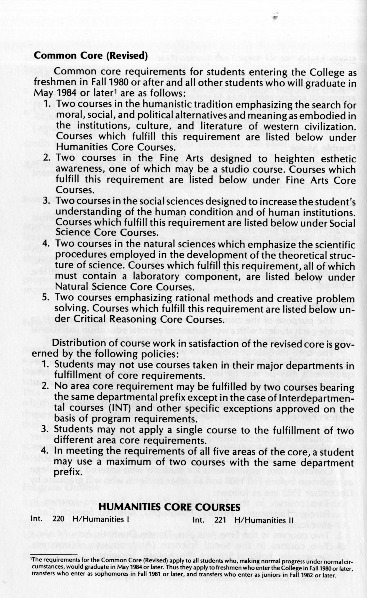
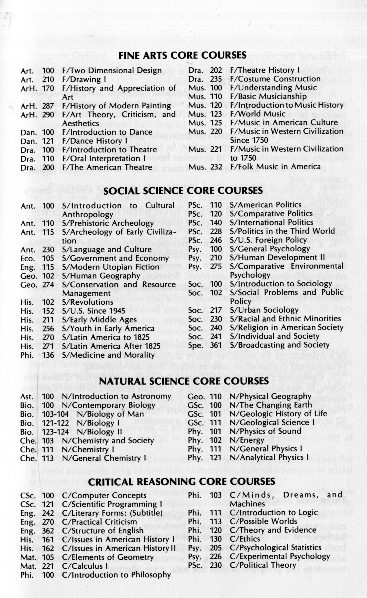
Before 1962, course requirements were listed entirely by program, as can be seen in pages 2-26 of the booklet. In the years prior to 1955, the curricula of each program (at this point, all education programs) did not make any mention of specific general education requirements, but required courses such as “Appreciation of the Arts” and “General Geography I,” from the 1948-49 General Catalogue (pages 1-4 of the booklet), were similar to subjects that were later required in the college-wide core curriculum.
Beginning with the 1955-56 Bulletin, each program listed its own general education requirements. While the subjects required were mostly the same–Art, English, Health and Physical Education, Music, Science, Social Studies, Speech and Dramatic Arts (not required for the Speech Correction and Speech and Dramatic Arts programs), as well as free electives–the semester hours of credits required overall and for each individual subject varied across the four programs offered that year. The greatest variation was in the hours of free electives required: nineteen were required for the General Elementary program, thirteen for the Special Education program, four for the Speech Correction program, and two for the Speech and Dramatic Arts program (booklet 11-14). The hours of English required also varied.
In the 1956-58 General Catalog (booklet 15-26), the program requirements were laid out in the same manner. A mathematics requirement was added to some programs, including Elementary Education and Early Childhood Education. There was still variation in general education requirements by each program.
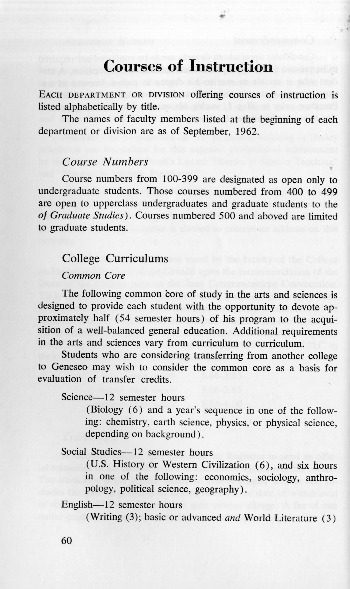
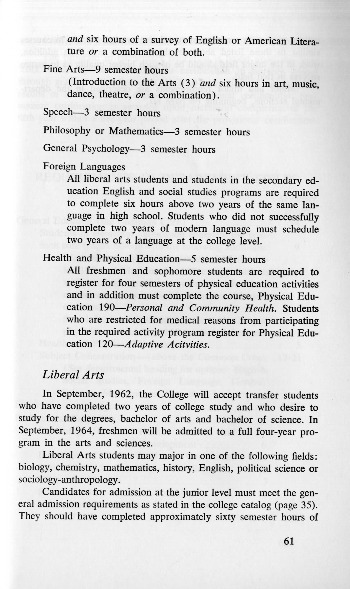
The 1962-63 academic year marked Geneseo’s first as a liberal arts college. As a part of the transition to the liberal arts, a college-wide Common Core was established. The core included Science, Social Studies, English, Fine Arts, Speech, Philosophy or Mathematics, General Psychology, Foreign Languages, and Health and Physical Education (booklet 28-29).
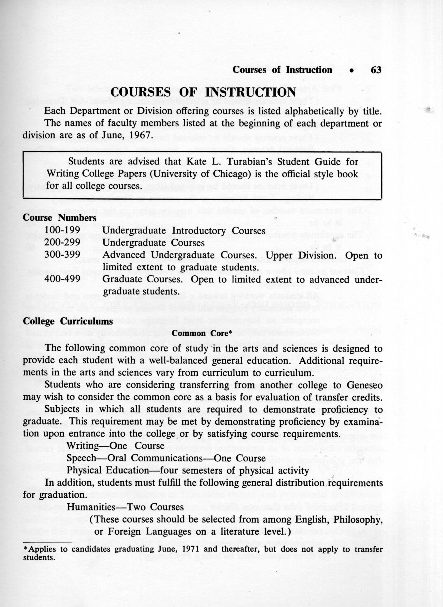
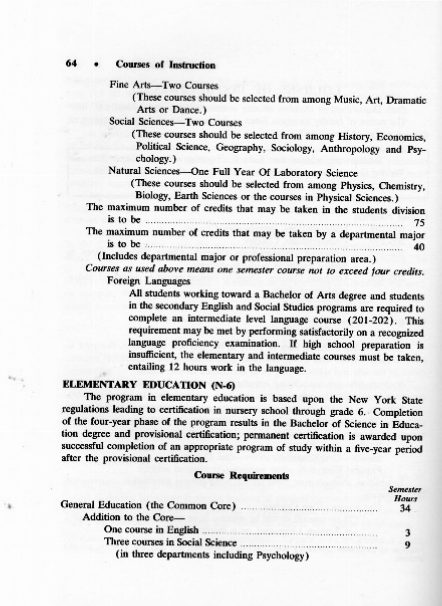
The Common Core was first revised in 1967, with the revision appearing in the 1967-68 Bulletin (booklet 31-32). Changes included delineating Writing and Speech–Oral Communications as areas in which “all students are to demonstrate proficiency to graduate” (31). Students were able to meet the requirement through examinations when entering the college or by taking one course in each subject. The rest of the core was referred to as “general distribution requirements,” and these requirements were laid out in numbers of courses required rather than semester hours. In a rationale for these revisions presented at a Faculty Senate meeting on January 13th, 1967, faculty members in favor of the new core described its potential benefits for students:
“The essential ways of knowing are those of science, social organization, and art plus the overreaching one of philosophy and the underlining one of communication. All are mandated in the program. The student is offered his “last chance” at mastering the skills in speaking, listening, reading, writing, and observing. When there is no need for them, time spent on them is in effect misappropriated; hence the provision for proficiency examinations. Skills of the mind are rightly paralleled by those of the body, furthered and diversified through physical education. And, there are safeguards against overspecialization.”
The revised Common Core printed in the 1980-82 Bulletin (booklet 38-39) was the result of several years worth of discussion and debate in the Faculty Senate. The Core on these pages is recognizable to current students at Geneseo. Read more about the development of this Common Core here.
]]>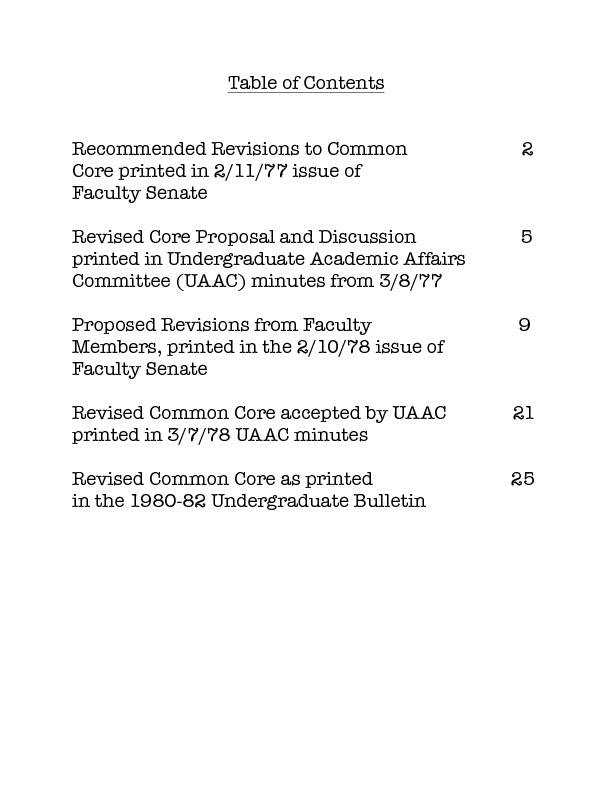
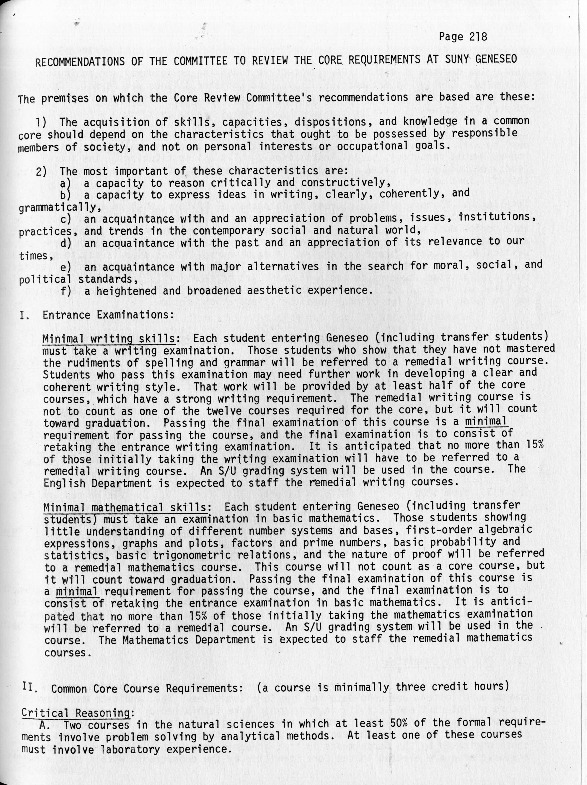
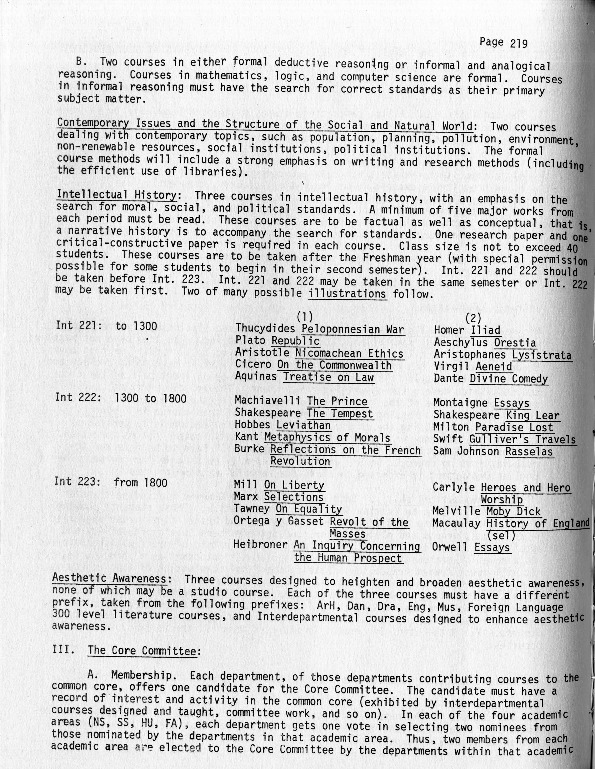
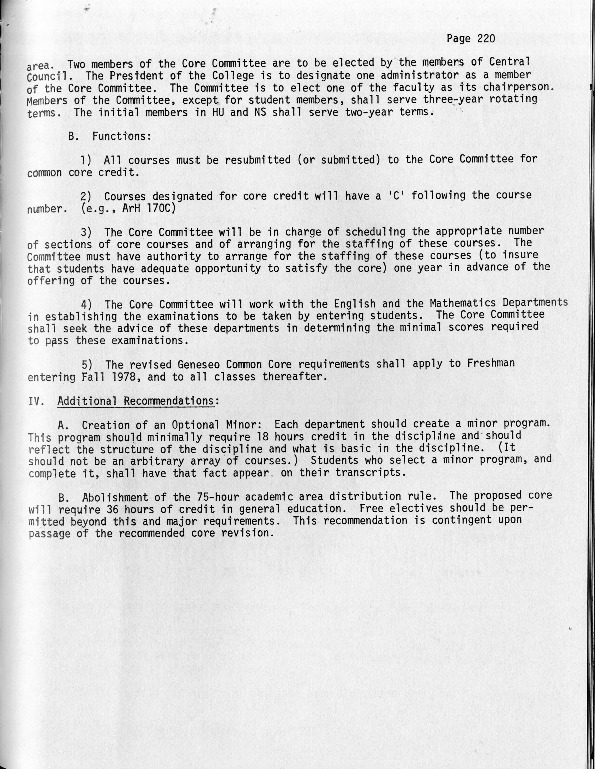
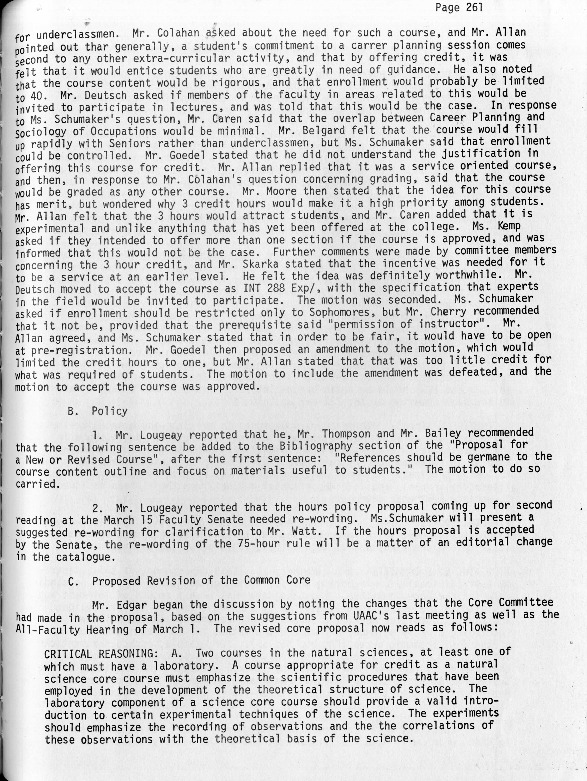
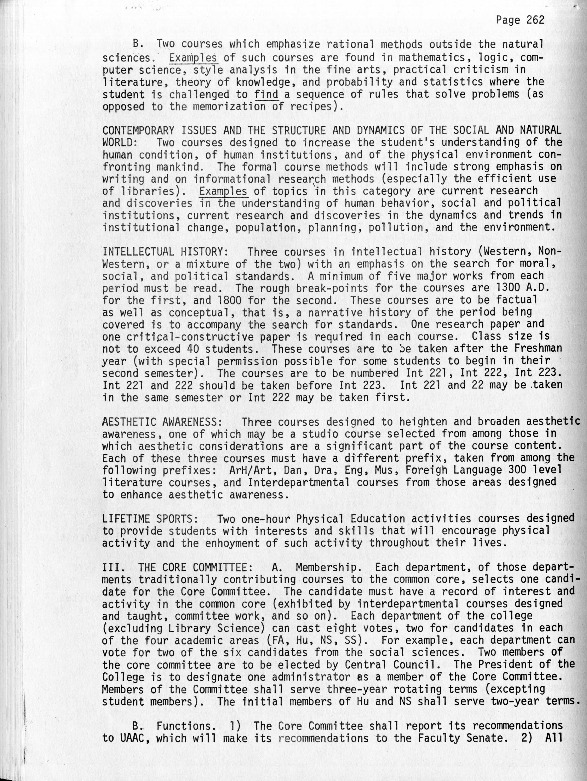
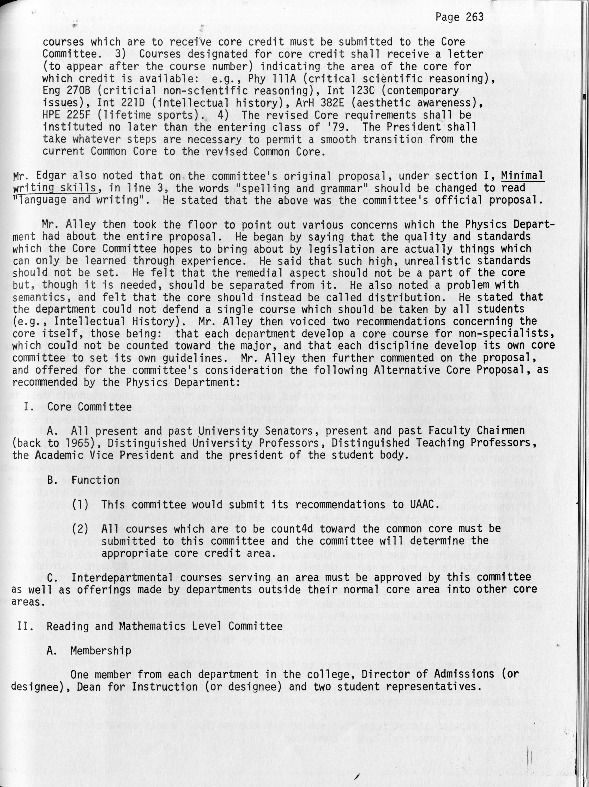
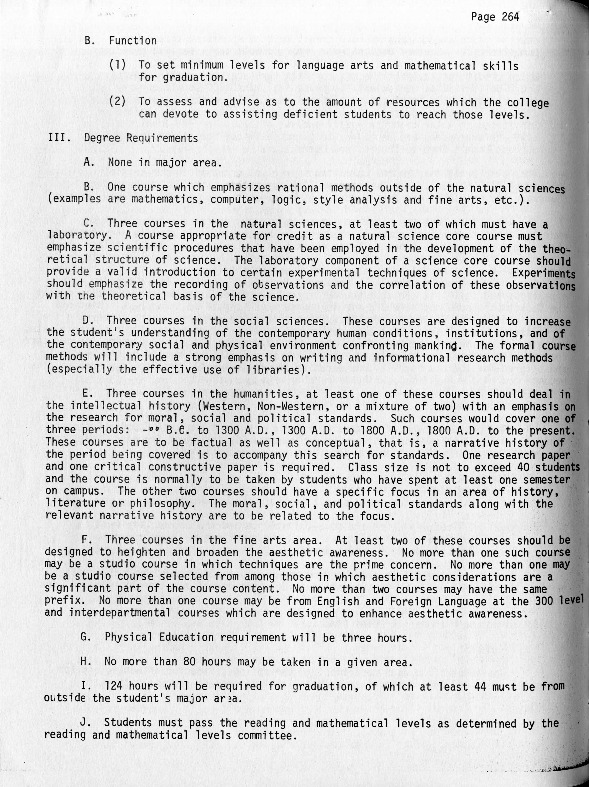
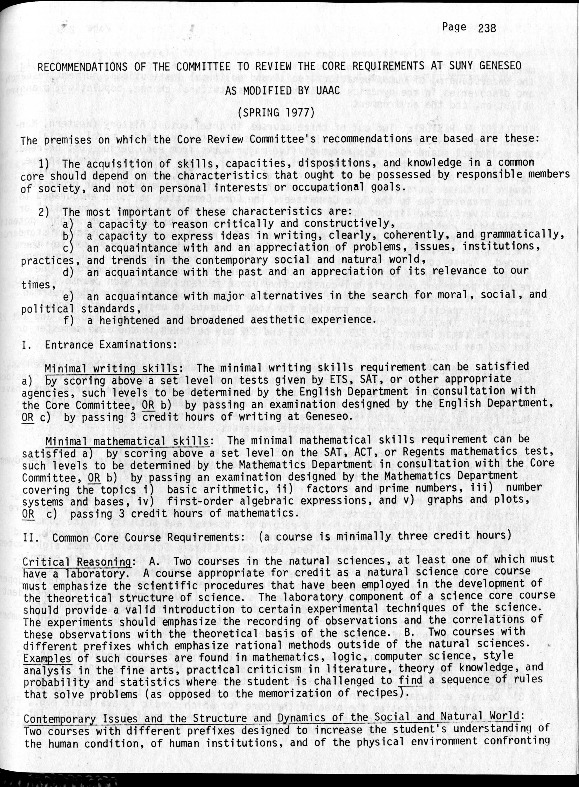
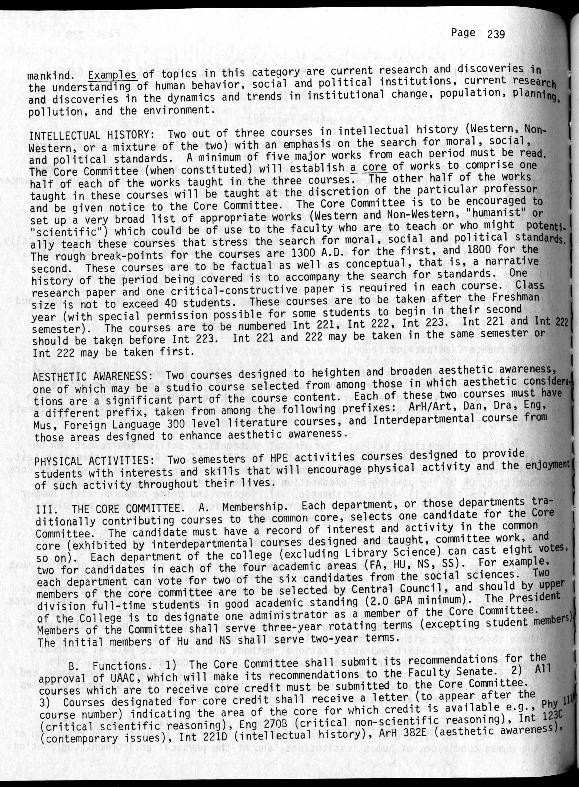
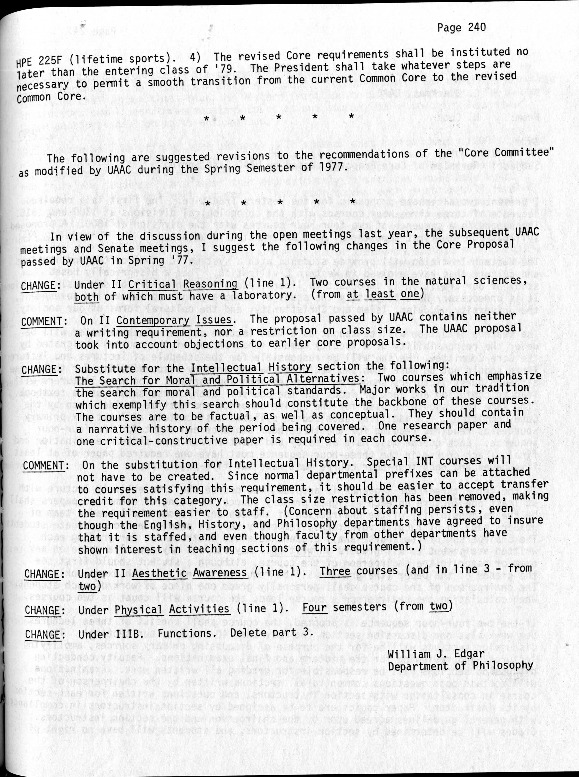
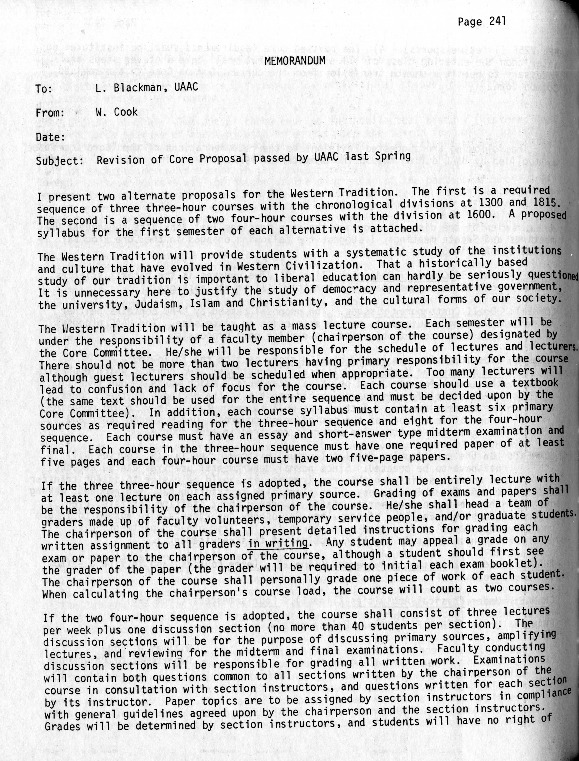
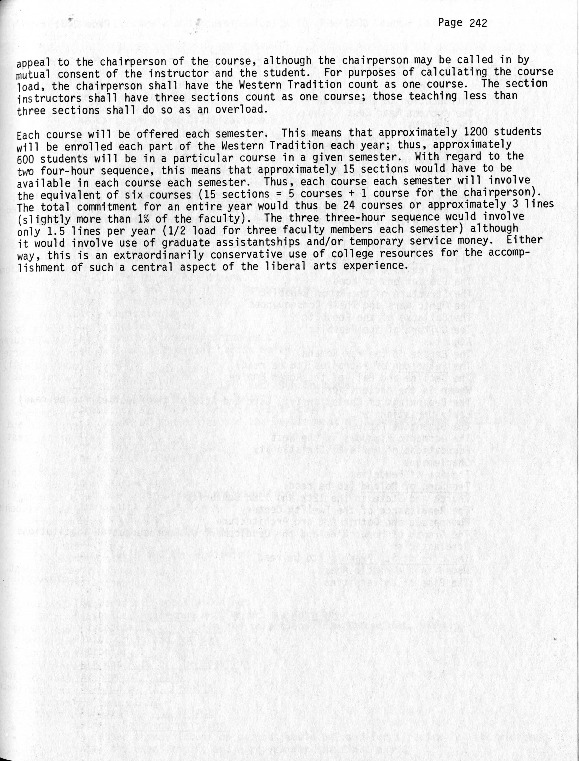
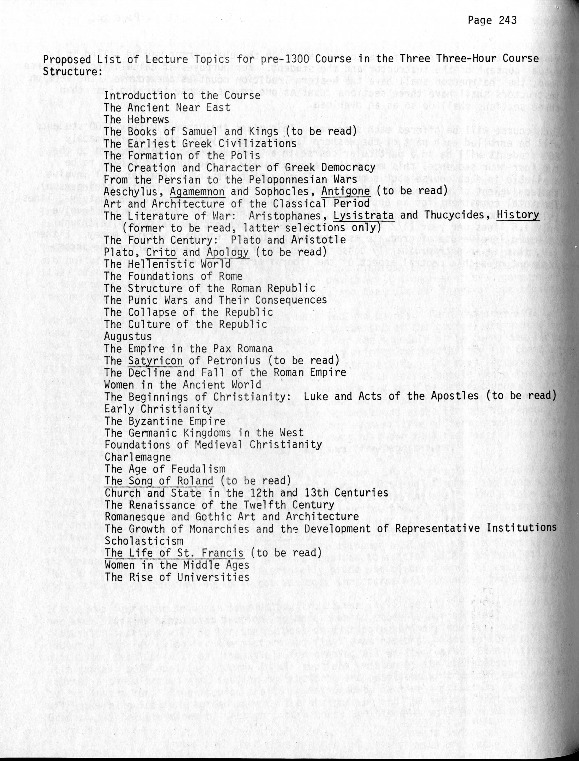
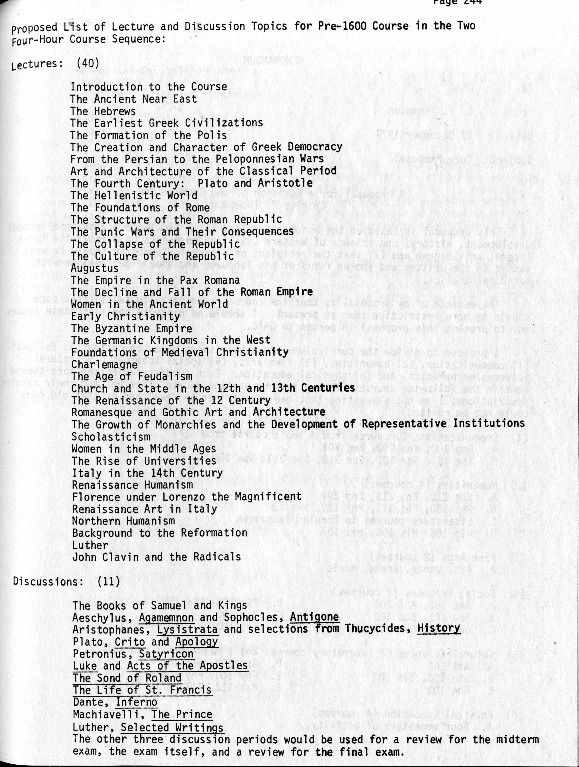
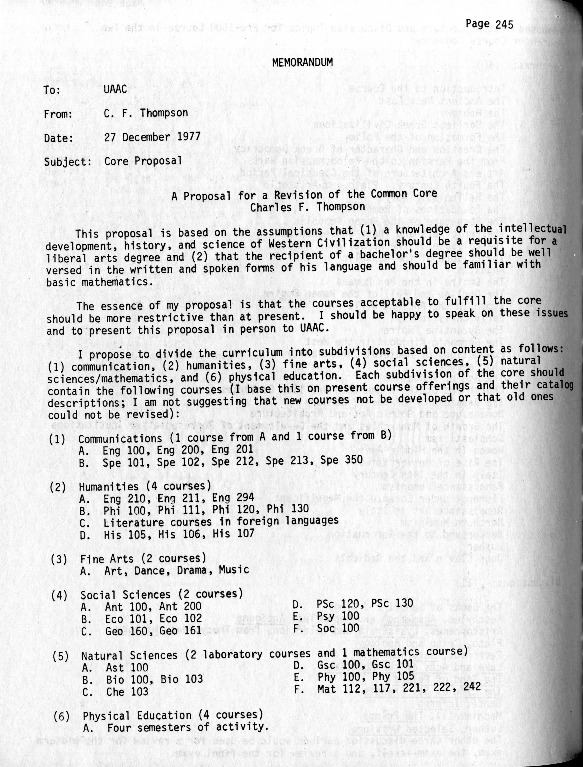
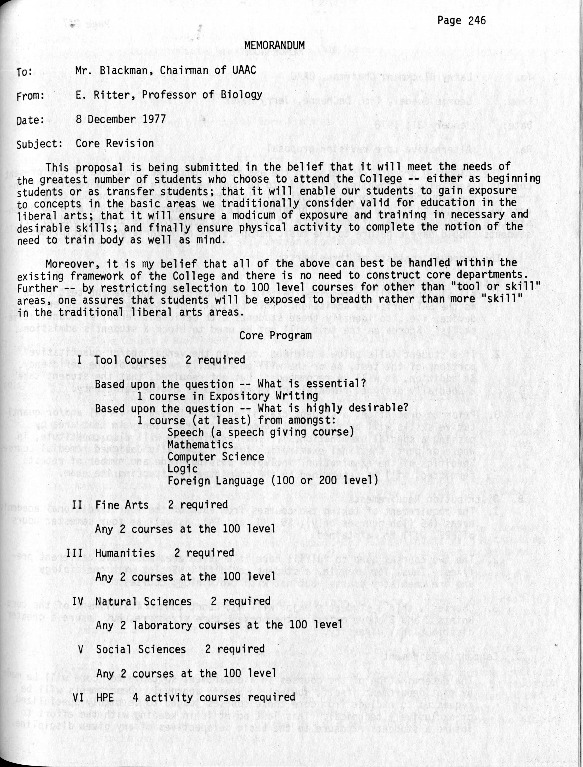
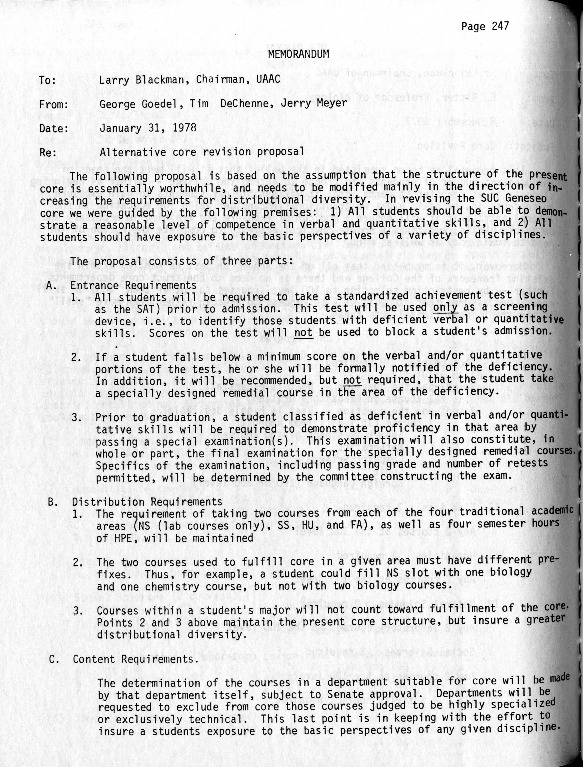
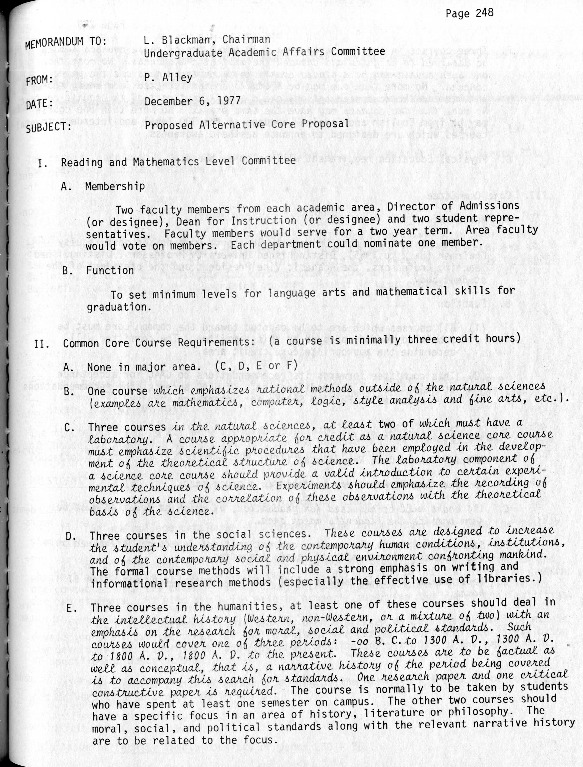
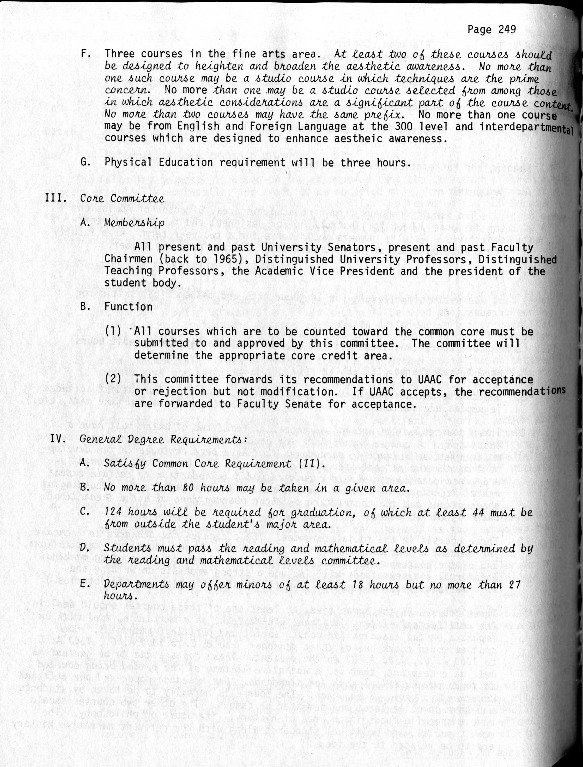
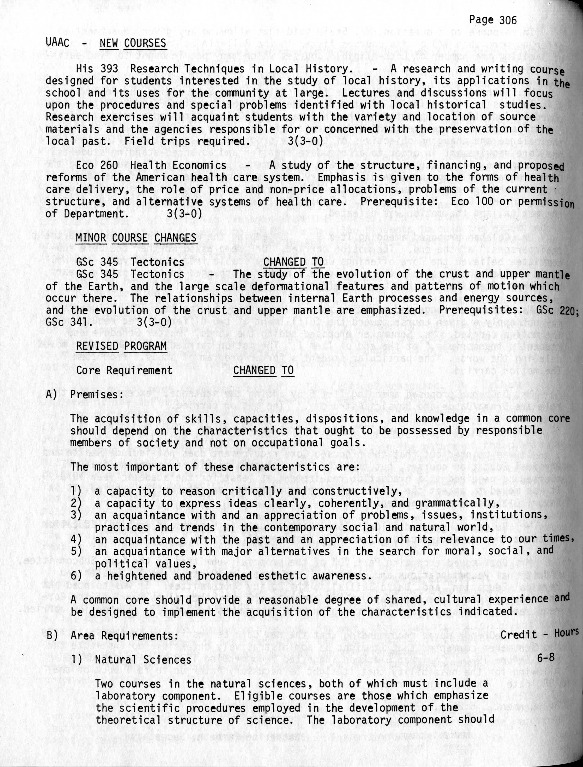
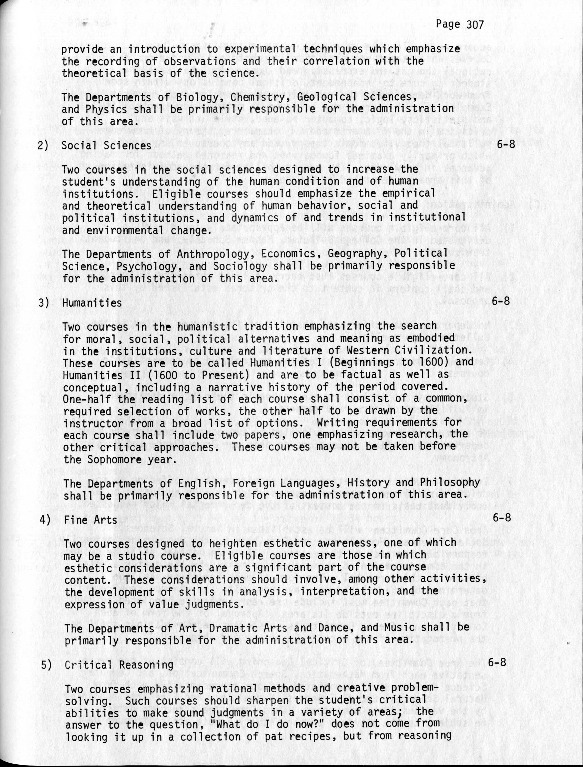
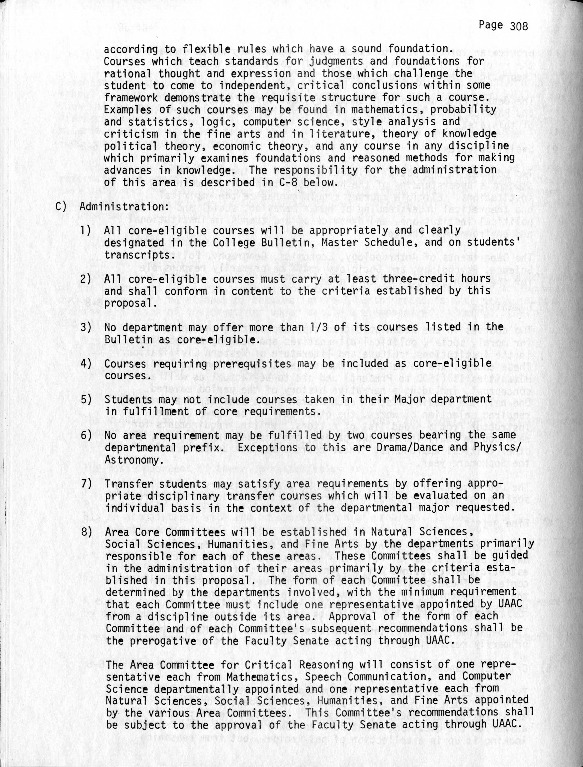
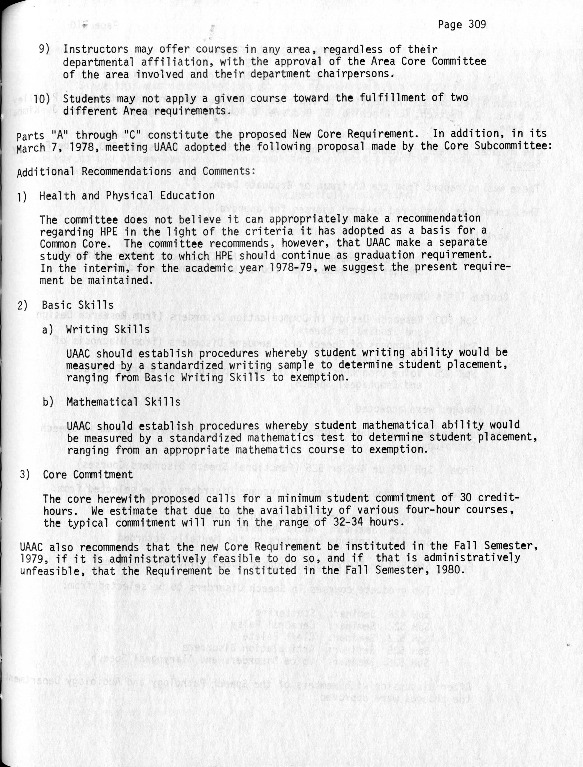
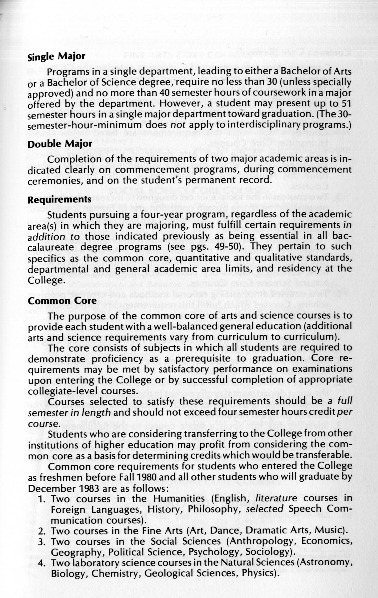
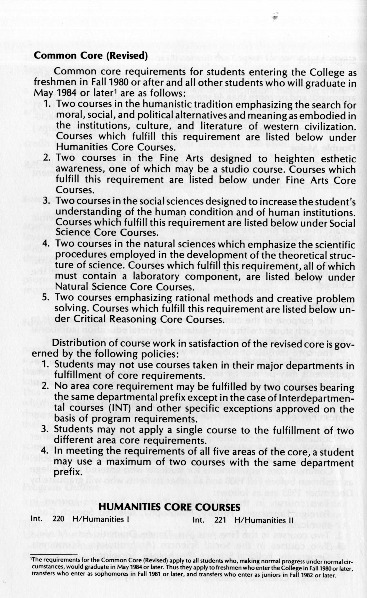
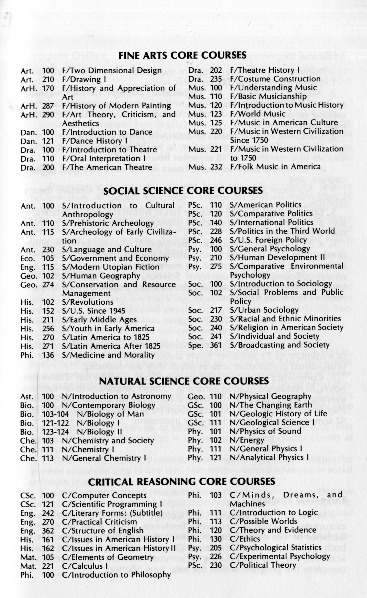
Although significant strides were not made until Spring 1977, the Common Core, in place since 1962, had been under scrutiny and review for four years leading up to these revisions. The recommendations of the Core Committee from February 1977 (booklet 2-4) were the first to be fully articulated. The required areas proposed generally had equivalents in the already-existent core, but were reframed and had clearer learning objectives. The Intellectual History requirement (eventually the Humanities sequence), which was the farthest removed from its existing counterpart (two Humanities courses selected from English, Philosophy, of literature-based foreign language) was accompanied by clearly defined course requirements and suggested texts (booklet 3).
After these recommendations were made, an All Faculty Hearing on the proposed revisions was held on March 1st, 1977. The issues of greatest concern included the omission of studio courses from Aesthetic Awareness and the “slanted” nature of the proposed core, which Professors Alley and Reid felt deemphasized science in an increasingly scientific and technological world. The Intellectual History requirement was also discussed in much detail. The amount of science needed in the courses was questioned, and Professors Deutsch and Shank requested a more detailed description of the courses, and problems that still come up regarding today’s Humanities, staffing the courses and the specifically “Western” designation, were also discussed (Faculty Senate 1976-77 233-39).
The revised proposal (booklet 5-8) reflected the topics discussed at the hearing; changes included the inclusion of studio courses in the Aesthetic Awareness requirement and more detail in the Intellectual History description. Professor Alley of the Physics Department then relayed his and his department’s concerns about the proposal, asserting that a course required for all students (Intellectual History) was not feasible. Suggested revisions from the Physics Department followed (booklet 7-8).
In an Undergraduate Academic Affairs Committee (UAAC) meeting held later that same semester on April 5th, 1977, the proposed revisions were again discussed at length. Committee members questioned the timeliness of the changes, considering possible financial and enrollment-related problems in the 1977-78 academic year. In light of probable staffing difficulties and making the requirements more efficient for transfer students, the number of required Intellectual History courses was reduced from three to two (Faculty Senate 1976-77 269-272). At a later UAAC meeting, held April 12th, the committee made the same change to the Aesthetic Awareness requirement for the sake of symmetry with the other three areas (Faculty Senate 1976-77 279).
The revisions were not significantly addressed again until Spring 1978, when proposed revisions were accepted from across the faculty (booklet 9-20). While some proposals paid particular attention to the Intellectual History element of the core, especially Edgar and Cook’s, some suggested changes for all areas of the core. In an open meeting held to discuss the proposals on February 16th, 1978, shared concerns of the faculty included creating added hardship for transfer students and staffing any new courses. Professor Cook spoke in support of his proposed Western tradition requirement (comparable to Intellectual History): “A Core requirement ought to include a component concerning the Western tradition. We have a common cultural heritage, with which a student should be acquainted. If all of the students in the College share a common knowledge, it will facilitate teaching for many faculty members” (Faculty Senate 1977-78 274-276).
The Core accepted by the UAAC on March 7th, 1978, reflected many of the proposals (booklet 21-24). The bulk of the revisions were to the names of the Area Requirements, and the previous Critical Reasoning requirement was divided into Natural Sciences and Critical Reasoning. Intellectual History was changed to Humanities, and the description and requirements of the sequence closely resemble the courses as taught in 2016. The revised Common Core was passed by the Faculty Senate on April 11th, 1978 (Faculty Senate 1977-1978 352).
]]>
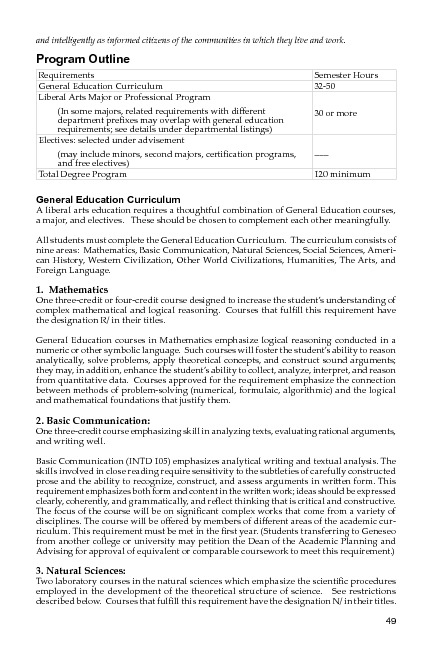
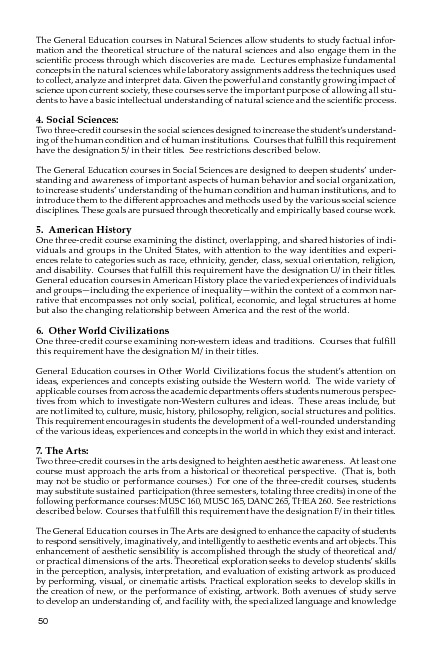
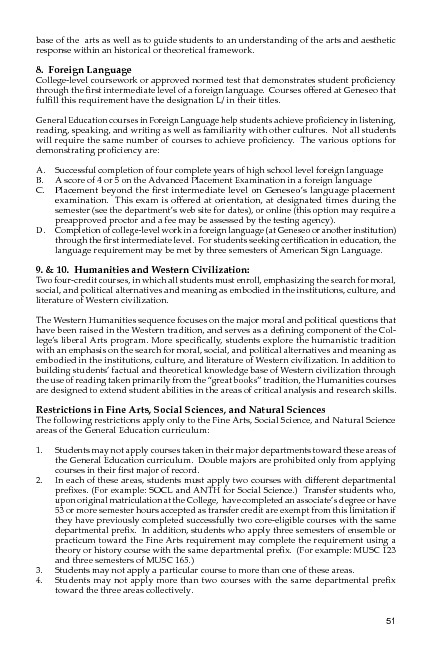
The ten required subject areas reflect the SUNY General Education Requirement, with the Humanities sequence fulfilling both Humanities and Western Civilization. Read more about Geneseo’s place in the SUNY system here under “SUNY Matters.”
]]>
Here’s the SUNY mission statement from the SUNY website; I’ve italicized an important sentence:
The mission of the state university system shall be to provide to the people of New York educational services of the highest quality, with the broadest possible access, fully representative of all segments of the population in a complete range of academic, professional and vocational postsecondary programs including such additional activities in pursuit of these objectives as are necessary or customary. These services and activities shall be offered through a geographically distributed comprehensive system of diverse campuses which shall have differentiated and designated missions designed to provide a comprehensive program of higher education, to meet the needs of both traditional and non-traditional students and to address local, regional and state needs and goals. In fulfilling this mission, the state university shall exercise care to develop and maintain a balance of its human and physical resources
The mission statement continues, but for the purposes of our project, we’re interested in “campuses which shall have differentiated and designated missions.” For starters, this mission statement paints SUNY as an incredible portal of accessibility, one that crosses boundaries of geography, class, and race. In the portal of access that SUNY provides, different campuses fulfill different roles. With our extensive general education and “liberal arts breadth” courses (of which the Humanities sequence is a part), we see Geneseo as the designated SUNY liberal arts college.
Many people–even those attending such universities–don’t understand what it means to attend a liberal arts college. Generally speaking, the liberal arts will play out most evidently in the courses you take; more subtly, however, at a liberal arts college, the idea of liberal arts and fulfilling the liberal arts mission influences all important conversations on campus. In fact, in all of our interviews for this project, professors stated that the liberal arts was an integral part of their decision to teach at Geneseo. One professor even noted that liberal arts is the very reason we could have our conversation, but few people realize the benefits of receiving a liberal arts education. This professor’s statements highlight the exact necessity of our project: creating visibility for the importance of liberal arts. So what does it mean to attend a liberal arts college, and how is it different from attending any other public institution of higher education?
If we look at Geneseo and the SUNY system, a few points stand out immediately that demonstrate the difference between the liberal arts and the non-liberal arts:
- The mission statement. While the SUNY mission statement is incredible in its sense of responsibility for educating everyone, the nuances of the statement are secondarily a form of economic involvement and commodity appreciation. Take for instance, the section, “[SUNY] encourages and facilitates basic and applied research for the purpose of the creation and dissemination of knowledge vital for continued human, scientific, technological and economic advancement.” The primary mission is advancement of human knowledge, but the specter of the market is ever present. This is not a criticism–after all, colleges are businesses–rather, a recognition of different modes of existence for college universities. On the other hand, we have Geneseo as a liberal arts insitution–an institution that seeks to provide students the skills to be informed citizens, as opposed to appreciating a commodity for the market. (For more on this, see our post “The Future of Higher Education,” which focuses on the bifurcated ideologies that support higher education). Geneseo’s mission statement reflects its liberal arts orientation: “the entire College community works together to advance knowledge and inspire students to be socially responsible and globally aware citizens who are prepared for an enriched life and success in the world.” While this liberal arts orientation stands out to anyone who stumbles upon this part of Geneseo’s website, many students aren’t aware that understanding the mission statement can help students understand the nuances of Geneseo’s administrative conversations, and discussions surrounding academics, student affairs, and the community.
- The general education requirements. Following the revamping of general education that has dominated conversations regarding higher education in the past few years, in 2010 SUNY changed their gen ed requirements. Students in the SUNY system are required to take two “competency” courses, and then seven courses in a field of ten disciplines (this works out to about 28 credits). Beyond these requirements, individual institutions mandate what courses a student must take. Geneseo adopted and expanded these requirements: students must take at least one course in all ten disciplines, and two courses in four of the disciplines–fine arts, western civilization, natural sciences, and social sciences. While students can fulfill the requirements with a variety of courses, every single student has to take the humanities sequence. In our opinion, the humanities sequence is the primary means by which Geneseo achieves its liberal arts mission, as the learning outcomes of the sequence include the ability to “demonstrate knowledge of the contributions of significant Western thinkers to ongoing intellectual debate about moral, social, and political alternatives.”
]]>
Ultimately, however, Professor Asher made it clear that the emphasis on the Western canon is a function of a lack of monetary resources. To make this point, he used the example of the English department’s lack of a Shakespeare specialist (we have people who teach Shakespeare, but no Shakespearean expert). “If we can’t even fill Shakespeare,” he asked, where are we supposed to find the money to staff 26 sections of a global humanities course? Other professors were cognizant and sympathetic of this issue. Professor Behrend admitted that as a professor of American history, he wasn’t sure how much his course would change if it was made a global class. He added, however, that “what [he] found interesting in reading Locke, is how influenced some western philosophers are by native peoples. Sometimes it’s a matter of whether you choose to be aware of that or not.”
Professor Kirk, in her Humn 2 course, frequently exchanges non-western texts when she can. According to her, “you can’t have a west without a non-west. You have to understand what the non-west, or non-wests are. The west only became as great as it did because it drew from the non-west—often in not so kind ways.” She added, “I choose texts that give insight to the west/non-west binary.” Professor McCorkle shared a similar sentiment; although she does not currently teach the humanities, she explained that teaching Eastern humanities wouldn’t “be an intrusion on western thought” because “so many philosophers like Nietzsche and Schopenhauer identify their influences being in eastern philosophy—it would be totally relevant to the current curriculum.” When asked what texts she thinks should be a part of the humanities curriculum, she replied that at the very least, students should be familiar with Confucius, Zen Buddhism, Hinduism, and Middle Eastern texts.
Katherine Zaslavsky, a senior sociology major who will graduate in the spring of 2017, said that she’s tired of the western canon that is dominated by dead white males. Personally, I would agree, but this is not to say canonical texts are without value. She explained that the western canon limits our awareness and understanding of different viewpoints, and contributes to the idea that there are culturally legitimate sources of information: a “pretty big issue of contention in sociology” is “the issue of viewpoint and the fact that if you only get information from what are seen as legitimate viewpoints you’re actually cutting out a lot of things that are seen as illegitimate not because they’re unreliable or because they’re not verifiable, there seen as illegitimate because they’re not seen as tradition sources.” In the interview, Emily added that this is a similar issue that permeates discussions in the English department—highlighting the strong interdepartmental influence of the liberal arts at Geneseo.
]]>